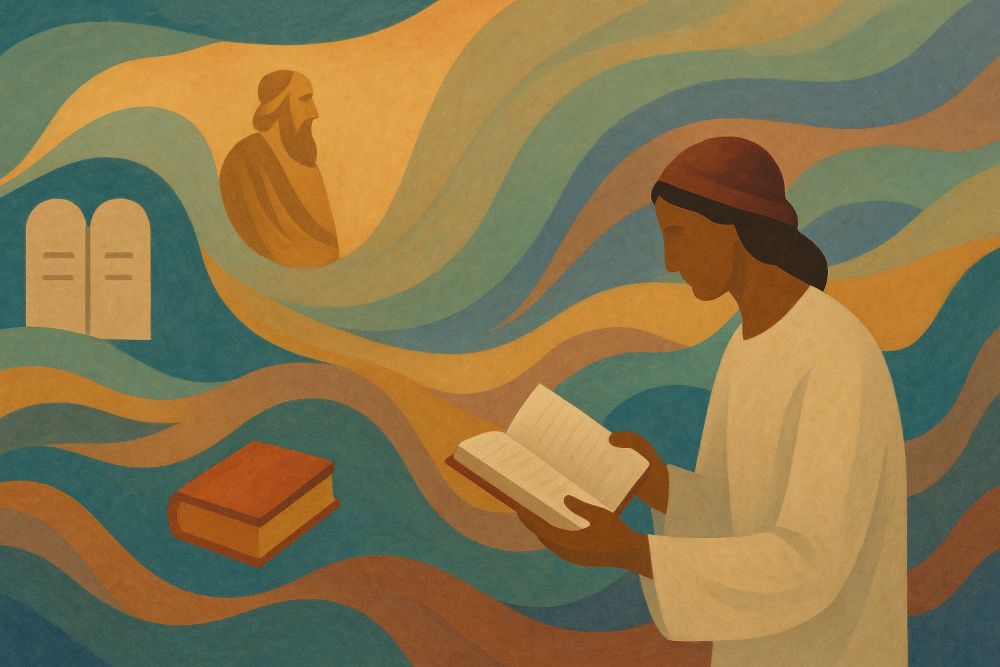
The Hebrew Bible, or Tanakh, is divided into three main sections: Law, Prophets and Writings. If you’ve heard phrases like “the Law and the Prophets” or wondered why the Bible is organized this way, you’re in the right place. Let’s break down what each section is, how they’re different and why that matters for understanding scripture.
Also read: Why Is the Old Testament Important for Christians?
The Torah: What Is “The Law”?
When you hear “the Law” it refers to the first five books of the Bible: Genesis, Exodus, Leviticus, Numbers and Deuteronomy. This is called the Torah in Hebrew. The Torah lays the foundation for all of Jewish (and Christian) faith and practice. It’s not just a collection of rules. It tells the story of creation, the patriarchs (like Abraham and Jacob), the Exodus and the journey to the Promised Land.
Main features of the Law:
- Lays out the origins of the world and humanity
- Relates God’s covenant with Israel
- Contains the foundational commandments (including the Ten Commandments)
“You shall love the Lord your God with all your heart and with all your soul and with all your might.” (Deuteronomy 6:5)
Deuteronomy 6:5
Why is it called “Law”?
The Hebrew word Torah often means “instruction” or “teaching.” While it includes many laws, it also records stories, promises, poetry and prophecy. The Law is central because it defines the relationship between God and his people, setting the stage for everything else in the Bible.
Who Are “The Prophets”?
The Prophets, in Hebrew called Nevi’im, come right after the Law. This group includes the historical books Joshua, Judges, Samuel and Kings, as well as books dedicated to prophetic preaching and visions (Isaiah, Jeremiah, Ezekiel and the twelve “minor” prophets like Jonah and Amos).
Main features of the Prophets
- Describe God’s dealings with Israel after Moses
- Record Israel’s successes and failures in following the Law
- Share God’s will through visionary leaders and messengers
- Offer warnings, promises and hope about the future
“He has told you, O man, what is good; and what does the Lord require of you but to do justice and to love kindness and to walk humbly with your God?” (Micah 6:8)
Micah 6:8
What Makes the Prophets Different from the Law?
While the Law sets the foundation, the Prophets apply and interpret it. They call people back to God, explain consequences for ignoring the Law and anticipate a future of restoration. The Prophetic books also reveal God’s character: his justice, patience and faithfulness.
Check out: What is Narrative in the Bible?
What Are “The Writings”?
The third division is called the Writings (Ketuvim). This is a diverse collection. Here you’ll find poetry (Psalms), wisdom literature (Proverbs, Ecclesiastes, Job), worship songs, stories (Ruth, Esther, Daniel) and reflections on life and faith (Lamentations, Chronicles).
Key features of the Writings:
- Cover a wide variety of genres and topics
- Include prayers, hymns, advice and historical retrospectives
- Some books are highly personal and reflect deep emotions
“The Lord is my shepherd; I shall not want.” (Psalm 23:1)
Psalm 23:1
Why Are the Writings Separate?
The Writings don’t fit neatly under law or prophecy. They reflect the community’s response to God in worship, wisdom and history. They’re practical and contemplative, helping readers wrestle with suffering, joy and day-to-day faith.
Key Differences at a Glance
- Law – Foundation: God’s covenant, story and commands (Genesis to Deuteronomy)
- Prophets – Application: God’s message through history, warning and hope (Joshua to Kings, major and minor prophets)
- Writings – Reflection: Worship, wisdom and personal experience (Psalms, Proverbs, Job and more)
Why Does This Division Matter?
Understanding how these three sections work gives context for every Bible passage. For example, when Jesus refers to “the Law and the Prophets” he’s talking about the foundation and the application. What God requires and the call to live accordingly.
“Do not think that I have come to abolish the Law or the Prophets; I have not come to abolish them but to fulfill them.” (Matthew 5:17)
Matthew 5:17
Final thoughts
In summary, the Law, the Prophets and the Writings each play a unique role in the Hebrew Bible. Together, they form a rich tapestry of history, instruction, correction, praise and wisdom. Knowing these divisions helps us appreciate how every part of the Old Testament fits together and points us toward a deeper relationship with God.