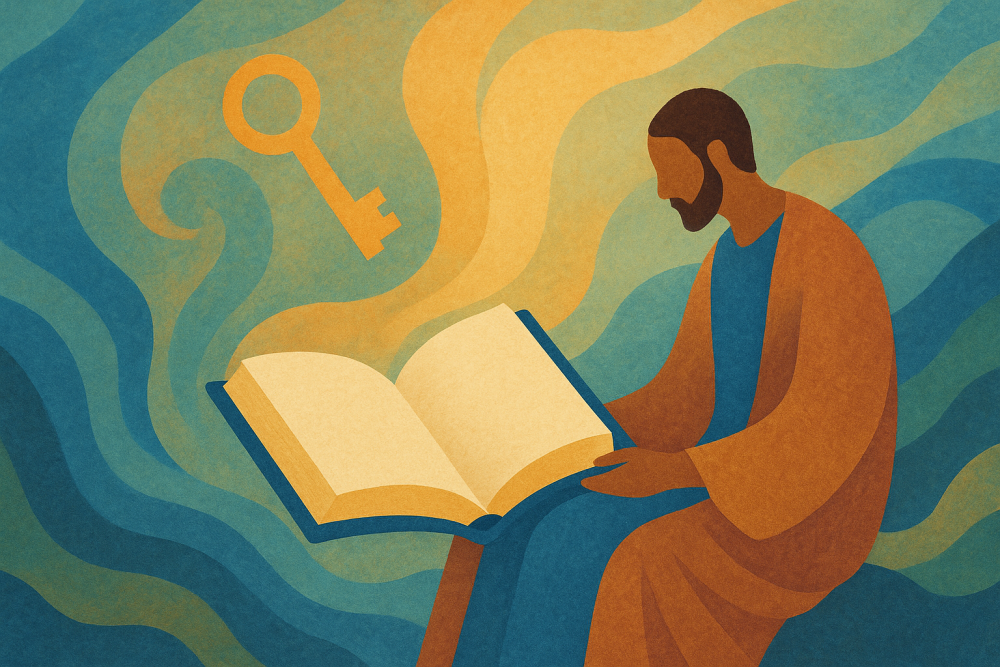
When people talk about “wisdom books” in the Bible, they’re referring to a group of Old Testament books known for exploring life’s big questions. These books dig into topics like suffering, the meaning of life, the value of hard work and what it means to fear God. Let’s take a close look at which books make up this collection and why they’re called wisdom literature.
Which Books Are Called the Wisdom Books?
There are five main books in the traditional Protestant canon considered part of the wisdom literature:
- Job
- Psalms
- Proverbs
- Ecclesiastes
- Song of Solomon (also known as Song of Songs)
Sometimes, people include a few additional books from Catholic and Orthodox traditions, but we’ll focus here on the five commonly included in most Protestant Bibles.
Why These Five Books?
These books share a common thread: they wrestle with how to live well and make sense of God’s world. Each book asks hard questions, offers practical advice and points readers toward trusting God – even when life doesn’t make sense.
Job
Job is a poetic story about a man who loses everything and still seeks God. To put it overly simplified, Job wrestles with the question: Why do good people suffer?
“The Lord gave and the Lord has taken away; may the name of the Lord be praised.” (Job 1:21)
Job 1:21
Psalms
Psalms is a collection of songs and prayers. Many psalms are full of raw honesty, sometimes joyful, sometimes questioning God, but always returning to trust.
“The Lord is my shepherd, I lack nothing.” (Psalm 23:1)
Psalm 23:1
Proverbs
Proverbs is known for its short, memorable sayings about daily living. Proverbs encourages wise choices and offers practical insight for relationships, work and faith.
“Trust in the Lord with all your heart and lean not on your own understanding.” (Proverbs 3:5)
Proverbs 3:5
Ecclesiastes
Ecclesiastes tackles the tough topics of meaning and purpose. The author, called “the Teacher” – explores everything from pleasure to wisdom and finds that much of life is fleeting. Still, he concludes with a call to remember God.
“Fear God and keep his commandments, for this is the duty of all mankind.” (Ecclesiastes 12:13)
Ecclesiastes 12:13
Song of Solomon (Song of Songs)
Song of Solomon is love poetry. The book celebrates romance and intimacy, offering poetic expressions of human love and, by extension, the love God has for his people.
“I am my beloved’s and my beloved is mine.” (Song of Solomon 6:3)
Song of Solomon 6:3
Why Should We Read the Wisdom Books?
- They acknowledge life’s complexity. They don’t shy away from hard truths or tough questions.
- They offer practical guidance. Proverbs and Ecclesiastes especially include wisdom for work, relationships and character.
- They strengthen faith in real life. These books recognize suffering, joy, doubt, hope and love as part of walking with God.
Many readers find comfort and perspective in these books, whether wrestling with tough situations, seeking encouragement, or wanting a deeper connection with God.
What Sets Wisdom Books Apart?
Unlike much of the Old Testament, these books focus less on law and history. Their approach is much more philosophical and poetic. Instead of giving rules, they teach through metaphor, poetry and reflection. These books allow space for doubt, questioning and honest emotion as part of faith.
Key Themes in the Wisdom Books
- The fear of the Lord is the beginning of wisdom.
- Life is unpredictable – trust God anyway.
- Wisdom shapes daily decision – making and long – term purpose.
- Human love and longing teach us about divine love.
Final thoughts
The wisdom books in the Bible – Job, Psalms, Proverbs, Ecclesiastes and Song of Solomon – offer honest exploration of what it means to live wisely and faithfully. They provide comfort, challenge and practical insight for anyone wanting to make sense of both joy and sorrow in the journey of faith. If you’re feeling curious or seeking guidance, these books are a great place to start.