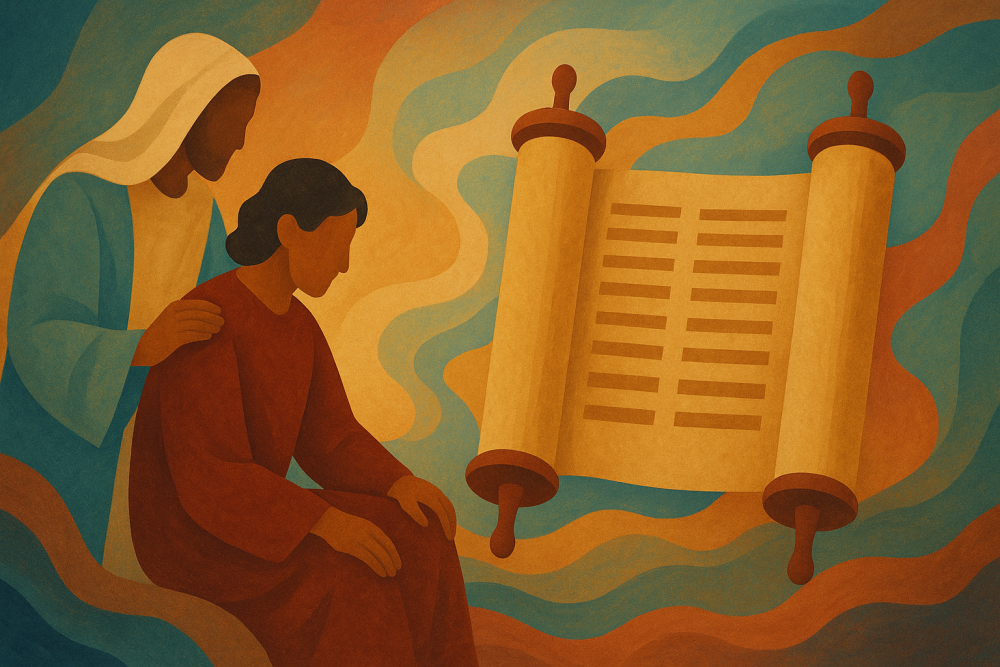
The Pentateuch is a foundational collection of five books at the very start of the Bible. These five books are:
- Genesis
- Exodus
- Leviticus
- Numbers
- Deuteronomy
You might also hear the Pentateuch called “The Torah, ” especially when talking about Jewish tradition. The word “Pentateuch” comes from Greek and simply means “five scrolls.”
Breaking Down the Books of the Pentateuch
- Genesis: The book of origins. Genesis covers creation, the earliest stories of humanity, the flood and the beginnings of God’s covenant with Abraham and his descendants.
- Exodus: The story of Israel’s dramatic escape from slavery in Egypt, the giving of the Law at Mount Sinai and the establishment of the covenant.
- Leviticus: Focuses on laws, rituals and guidelines for worship and community holiness.
- Numbers: Chronicles Israel’s journey in the wilderness and their struggles with faithfulness and leadership.
- Deuteronomy: Moses’ final speeches to the people before they enter the Promised Land, recounting the Law and urging loyalty to God.
What Makes the Pentateuch Special?
- Lays out the origin of the world and humanity.
- Defines God’s relationship with his people.
- Introduces the central Biblical themes: creation, sin, law, covenant and redemption.
- Provides the foundation for both Judaism and Christianity.
Who Wrote the Pentateuch?
Jewish and Christian tradition attributes the Pentateuch to Moses. You may hear these books called “the Books of Moses.” However, scholars are divided about the process of composition. Some believe Moses wrote them directly, while others think they were collected from different sources and traditions over time.
Regardless of the process, the Pentateuch as we have it shaped the faith and lives of Jewish people and later, Christians.
Where Does the Pentateuch Get Its Authority?
For Jews, the Pentateuch is the Torah, the main guide for faith and practice. The words lay out what it means to be in a relationship with God:
“Hear, O Israel: The LORD our God, the LORD is one. You shall love the LORD your God with all your heart, with all your soul and with all your strength.” (Deuteronomy 6:4 – 5)
Deuteronomy 6:4 – 5
Christians read the Pentateuch as part of the larger story that leads to Jesus. Jesus often quoted and referenced these books:
“Do not think that I have come to abolish the Law or the Prophets; I have not come to abolish them but to fulfill them.” (Matthew 5:17)
Matthew 5:17
Why Study the Pentateuch Today?
- Understanding the roots of Bible stories and major spiritual concepts
- Tracing how the ideas of covenant and salvation grow throughout Scripture
- Seeing the beginnings of Israel’s laws, identity and mission
- Connecting ancient wisdom with contemporary faith questions
Key Themes in the Pentateuch
- Creation and God’s Sovereignty: Genesis begins with God creating everything.
- Human Experience: Themes like temptation, sin, redemption, family and forgiveness run throughout.
- Covenant: God’s promises to Abraham and his descendants frame much of the narrative.
- Law and Holiness: Leviticus and Deuteronomy emphasize living set apart for God in every area of life.
- Journey and Growth: The movement from Egypt to the Promised Land mirrors each person’s spiritual journey.
Final thoughts
The Pentateuch is the bedrock of the Bible’s storyline. It is a lively blend of history, law, poetry and theology. It asks big questions about who God is, what it means to be human and why law, worship and relationships matter. Whether you are new to the Bible or have read it for years, diving into these five scrolls promises fresh discovery every time.